

News Summary
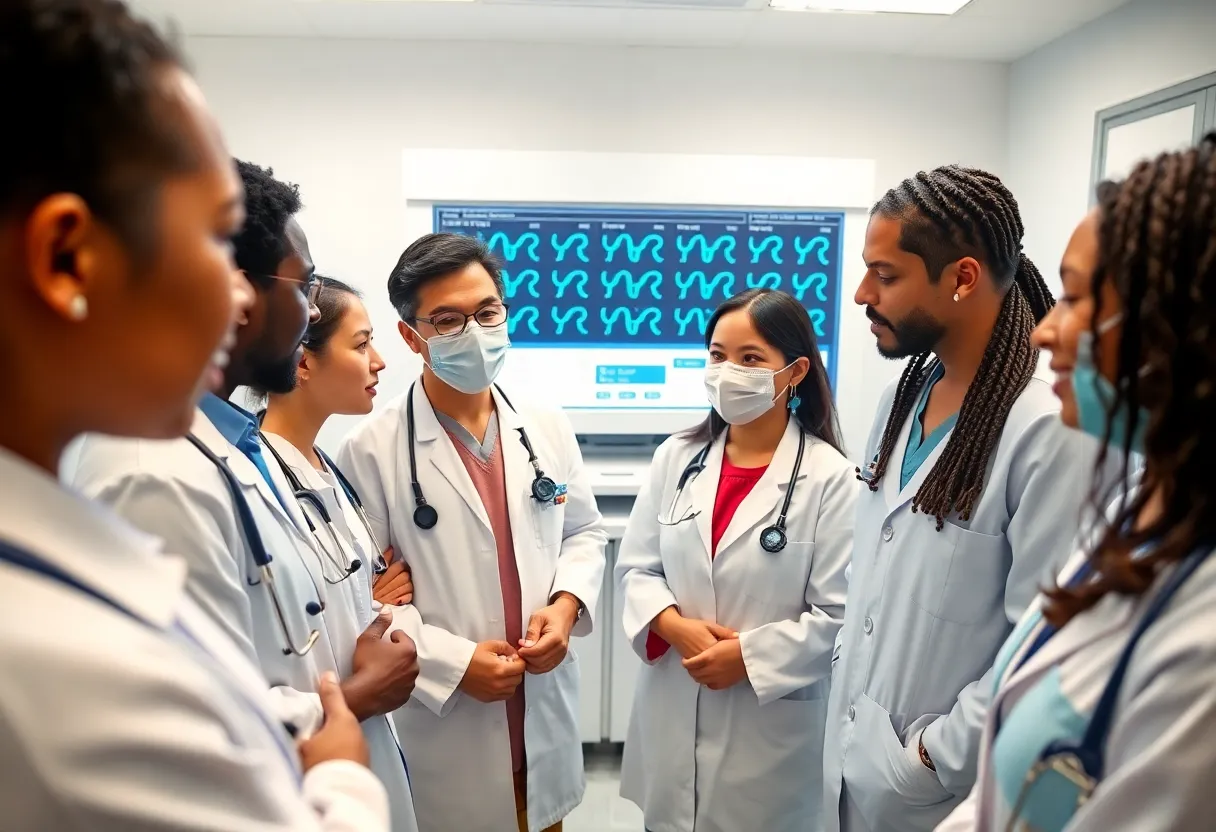
Florida State University has launched the Florida Institute for Pediatric Rare Diseases as part of the Sunshine Genetics Act. This program provides free genetic screening for newborns, aiming to detect around 7,000 rare diseases. With a budget of $7.5 million, the initiative will enhance pediatric healthcare in Florida by reducing diagnostic delays. The establishment of the Sunshine Genetics Consortium will further collaboration in genetic research. This transformative program represents a significant advancement in early detection and treatment of genetic disorders for newborns across the state.
Tallahassee, Florida — Florida State University (FSU) has officially launched the Florida Institute for Pediatric Rare Diseases as part of the newly enacted Sunshine Genetics Act, also known as HB 907. This landmark legislation mandates a five-year pilot program that provides free genetic screening for newborns through advanced genomic sequencing to identify rare diseases.
The pilot program, named Sunshine Genetics, is set to screen for roughly 7,000 rare diseases, offering early detection for around 600 of these conditions, which have actionable treatments. This initiative received a budget allocation of $3 million from the Florida 2025-26 budget, and in total, FSU’s institute secured $7.5 million in state funding, including an additional $4.5 million designated specifically for its operations.
State Representative Adam Anderson, whose late son Andrew suffered from Tay-Sachs disease, championed this initiative. The program not only promises vital health interventions for children but aims to significantly reduce the lengthy diagnostic journeys many families face today. The legislation is viewed as a significant step forward in pediatric healthcare, highlighting Florida’s commitment to advancing genetic research and treatments.
FSU President Richard McCullough recognized the importance of the passage of this bill, noting the extensive efforts required to obtain the necessary approvals from state officials. The program aims to transform the current landscape of newborn screenings in Florida, which currently checks for approximately 60 diseases, compared to the expansive capabilities of the Sunshine Genetics initiative.
Additionally, the Sunshine Genetics Act establishes the Sunshine Genetics Consortium, a collaborative body that brings together researchers and healthcare professionals from multiple universities and children’s hospitals across Florida. This consortium is designed to enhance cooperative efforts in genetic research and medical practice in the state.
Further emphasizing the program’s significance, Pradeep Bhide, director of the FSU Institute for Pediatric Rare Diseases, pointed out that this initiative will serve as a central hub for research as well as healthcare advancements in the field of pediatric precision medicine. The hope is that by improving genetic screening capabilities, Florida will position itself as a leader in healthcare for rare pediatric diseases on a national scale.
In the long term, Representative Anderson noted that reliance on taxpayer funding will not be the sole financial avenue for the program. Partnerships with biotech and genetic medicine companies will be sought to ensure sustainable operations and continued advancements in the offerings of the Sunshine Genetics program.
The historical implications of this legislation have been described as a once-in-a-generation opportunity for Florida to lead in genetic and precision medicine. With this initiative, Florida not only enhances its healthcare capabilities but also aims to set a national standard for early detection and treatment of genetic disorders.
In summary, the establishment and funding of the Florida Institute for Pediatric Rare Diseases, along with the implementation of the Sunshine Genetics Act, marks a transformative moment in healthcare for newborns across the state of Florida. Through this groundbreaking program, many families may experience a new level of hope and access to timely medical interventions for rare genetic conditions.
Deeper Dive: News & Info About This Topic
HERE Resources
Additional Resources
- Florida Politics: House OKs Boost for Pediatric Rare Disease Research
- Tallahassee.com: Florida State University Launches Program for Pediatric Rare Diseases
- Florida Phoenix: FSU Celebrates Rare Pediatric Disease Program
- WFLA: Florida Leaders Celebrate Advances in Pediatric Genetic Medicine
- MSN: Florida Offers Free DNA Testing for Newborns
- Wikipedia: Rare Disease

Author: STAFF HERE TALLAHASSEE WRITER
The TALLAHASSEE STAFF WRITER represents the experienced team at HERETallahassee.com, your go-to source for actionable local news and information in Tallahassee, Leon County, and beyond. Specializing in "news you can use," we cover essential topics like product reviews for personal and business needs, local business directories, politics, real estate trends, neighborhood insights, and state news affecting the area—with deep expertise drawn from years of dedicated reporting and strong community input, including local press releases and business updates. We deliver top reporting on high-value events such as Springtime Tallahassee, Tallahassee Jazz & Blues Festival, and LeMoyne Chain of Parks Art Festival. Our coverage extends to key organizations like the Greater Tallahassee Chamber of Commerce and United Way of the Big Bend, plus leading businesses in education, healthcare, and insurance that power the local economy such as Florida State University, Tallahassee Memorial HealthCare, and Capital Health Plan. As part of the broader HERE network, including HEREJacksonville.com, HEREOrlando.com, HEREStPetersburg.com, and HERETampa.com, we provide comprehensive, credible insights into Florida's dynamic landscape.