

News Summary
The palmetto weevil poses a significant threat to palm trees in North Florida, leading to considerable economic and ecological consequences. This pest, which targets weakened or stressed palms, has been exacerbated by environmental changes and improper management practices. Communities must take proactive measures to protect valuable palm species from decline and prevent potential public safety risks associated with dead trees.
Pensacola, Florida – The palmetto weevil (Rhynchophorus cruentatus), North America’s largest native weevil, poses a growing threat to palm trees across North Florida’s Panhandle. This pest is causing considerable damage to landscapes, nurseries, and public spaces, primarily targeting stressed or damaged palms. However, environmental changes have made even healthy palms vulnerable to infestations.
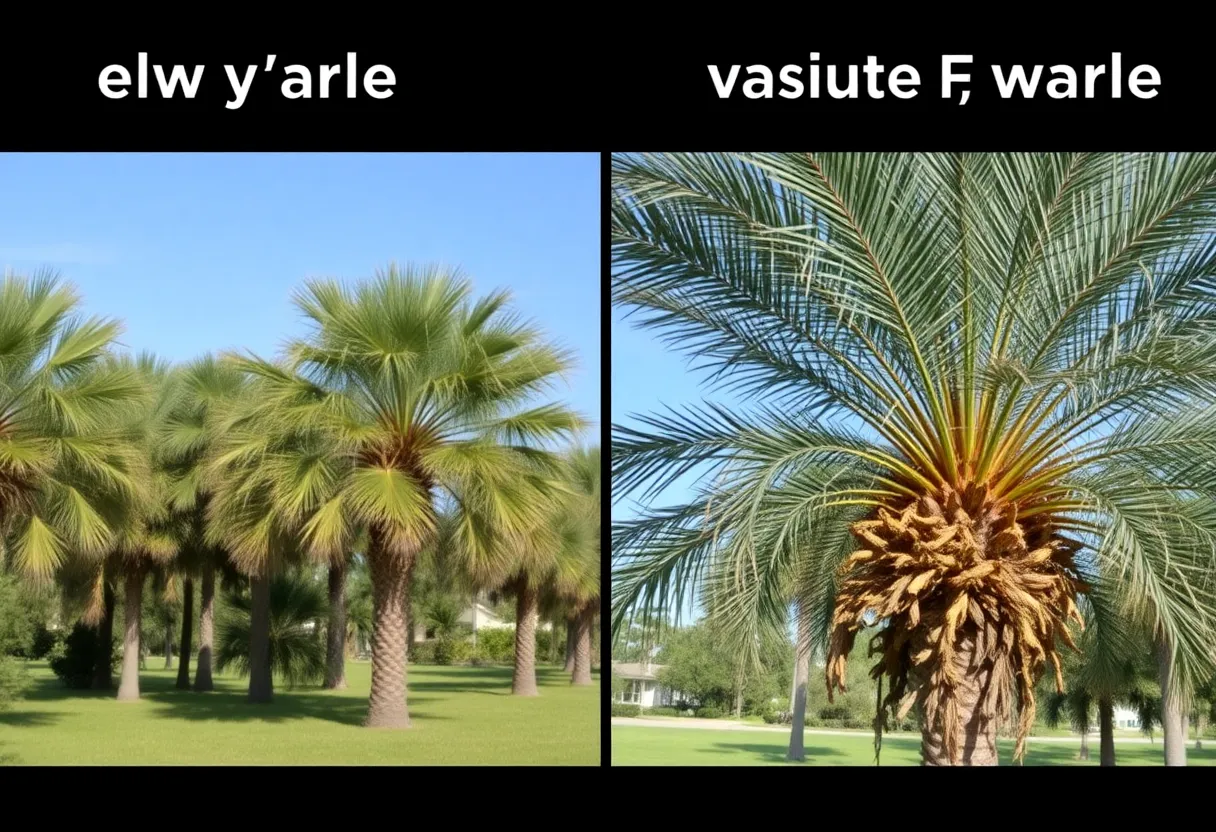
Factors such as warmer winters, drought conditions, ongoing development, and frequent palm transplanting have contributed to the susceptibility of both urban and wild palm populations. As the larvae of the palmetto weevil tunnel into the palm’s crown, they kill the growth point, leading to the eventual death of the entire tree. This insidious damage often goes unnoticed until it is too late for effective intervention.
The economic ramifications of losing high-value landscape palms are significant. These palms can range in value from $500 to $2,500 or more, making their decline a financial concern for both homeowners and businesses. Additionally, as the costs associated with the detection, removal, and treatment of infested palms increase, the community faces a considerable economic burden.
Moreover, dead or weakened palms pose public safety risks, particularly during storm seasons when structural instability could result in the downfall of trees. The decline of native palm species such as the cabbage palm (Sabal palmetto) could lead to long-term population decreases if these infestations continue without checks. The decline of these trees not only affects visual landscapes but also impacts wildlife habitats and weakens the urban tree canopy.
Reports indicate that infestations have been confirmed in Escambia, Santa Rosa, Bay, and Leon counties, emphasizing the urgent need for proactive measures to control the spread of this pest. Homeowners and landscapers are urged to reach out to local Cooperative Extension services for guidance in managing palmetto weevil infestations.
Identifying the Palmetto Weevil
Adult palmetto weevils are generally reddish to black and measure approximately 1 to 1.25 inches in length, with males characterized by a distinctive bumpy rostrum. The larvae appear as cream-colored, legless grubs with brown heads, typically hidden deep within the palm crown.
Infestation Signs
Early indicators of palmetto weevil damage include wilting or yellowing fronds, leaning trees, and reduced vigor. Additional signs of infestation may include foul odors, reddish frass, and spear leaves that can be easily pulled out. Homeowners can help minimize risks by maintaining healthy palms through proper watering, fertilization, and ensuring trees are free from trunk injuries.
Preventive Measures
Purchasing palm trees from reputable sources can help ensure they are healthy and pest-free. It is also advisable to avoid transplanting palms during spring when the weevil is most active. Using preventive systemic insecticides, such as imidacloprid, can effectively protect valuable palms from infestations.
Quick removal and disposal of dead palms are critical to preventing the breeding of weevils. Community involvement, including regular monitoring of palm-rich areas and training staff to recognize early symptoms, can mitigate risks of infestation. Encouraging species diversity in palm plantings can also help reduce vulnerability to future infestations.
Future Risks
In addition to the palmetto weevil, invasive species like the South American palm weevil and the red palm weevil threaten to introduce serious diseases that could further endanger Florida’s palm populations. Efforts to safeguard these iconic trees are essential for maintaining the aesthetic appeal of neighborhoods and tourism-rich areas while protecting wildlife habitats for future generations.
In conclusion, as the threat from the palmetto weevil continues to rise, it becomes increasingly crucial for residents and communities in North Florida to stay informed and actively participate in prevention and control measures to protect their valuable palm trees.
Deeper Dive: News & Info About This Topic
HERE Resources
Additional Resources
- Tallahassee.com: Palmetto Weevil Threat
- YourSun.com: Singing the Palmetto Weevil Blues
- Coastal Illustrated: Gardening and Palmetto Weevils
- ABC7: New Insect Threat to Palm Trees
- Wikipedia: Palmetto Weevil


Author: STAFF HERE TALLAHASSEE WRITER
The TALLAHASSEE STAFF WRITER represents the experienced team at HERETallahassee.com, your go-to source for actionable local news and information in Tallahassee, Leon County, and beyond. Specializing in "news you can use," we cover essential topics like product reviews for personal and business needs, local business directories, politics, real estate trends, neighborhood insights, and state news affecting the area—with deep expertise drawn from years of dedicated reporting and strong community input, including local press releases and business updates. We deliver top reporting on high-value events such as Springtime Tallahassee, Tallahassee Jazz & Blues Festival, and LeMoyne Chain of Parks Art Festival. Our coverage extends to key organizations like the Greater Tallahassee Chamber of Commerce and United Way of the Big Bend, plus leading businesses in education, healthcare, and insurance that power the local economy such as Florida State University, Tallahassee Memorial HealthCare, and Capital Health Plan. As part of the broader HERE network, including HEREJacksonville.com, HEREOrlando.com, HEREStPetersburg.com, and HERETampa.com, we provide comprehensive, credible insights into Florida's dynamic landscape.